Myopia Follow-Up Visits in Waynesboro: What Parents Can Ask
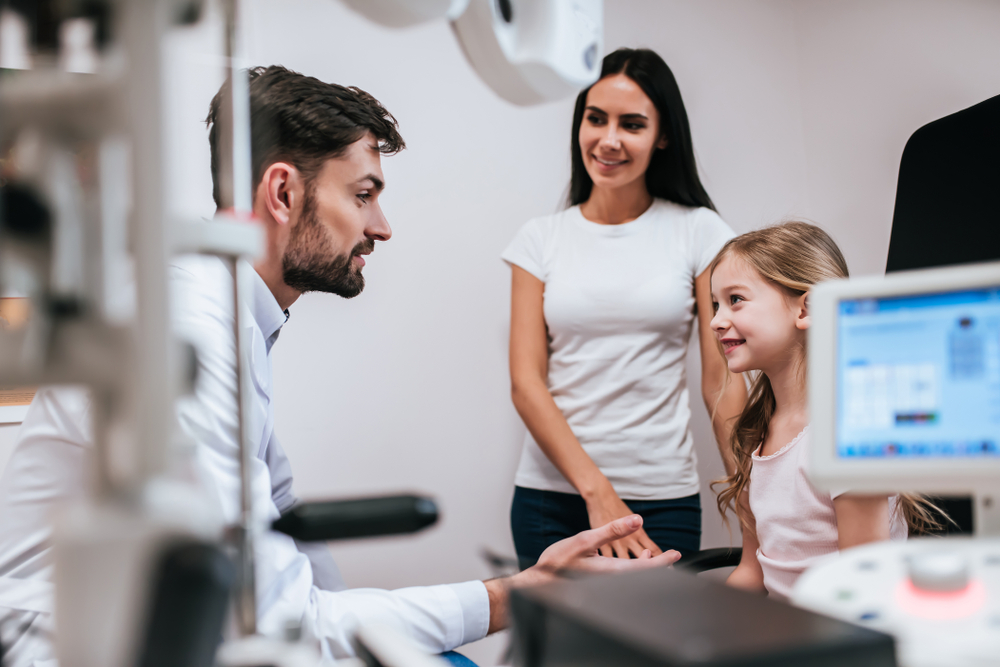
Managing childhood myopia involves more than updating a glasses prescription. As children grow, their nearsightedness can change, making regular follow-up visits an important part of maintaining healthy vision. At Vision Tech Optometry Center in Waynesboro, VA, we help parents understand their child's myopia progression and monitor how well their treatment plan is working.
Why Are Myopia Follow-Up Visits Important?
Myopia, commonly called nearsightedness, often progresses throughout childhood and adolescence. Without proper monitoring, changes in vision may go unnoticed until a child begins struggling to see clearly at school or during everyday activities.
During myopia follow-up visits, we evaluate changes in vision, review treatment progress, and determine whether adjustments may be appropriate. These visits also allow us to address concerns about eye health, prescription changes, and treatment routines.
Questions Parents Should Ask During a Myopia Follow-Up
Understanding your child's progress helps you stay involved in their care. Here are five helpful questions to discuss with our eye doctors:
• Has my child's myopia progressed? Comparing current and previous prescriptions helps identify changes in nearsightedness.
• Is the current treatment working? Ask whether your child's progression is consistent with expectations or whether adjustments should be considered.
• Should we monitor eye growth? Measuring axial length, when available and appropriate, can provide additional information about myopia progression.
• Are there other treatment options? Depending on your child's needs, customized contact lenses or prescription eye drops may be worth discussing.
• How often should we return for follow-up visits? Monitoring frequency depends on your child's age, prescription changes, and treatment plan.
What Parents Should Watch for Between Visits
Changes in your child's everyday visual habits may indicate that their prescription needs attention. Squinting, sitting closer to screens, difficulty seeing the classroom board, or complaints about blurry distance vision are worth mentioning.
Parents should also communicate any challenges with their child's treatment routine. If your child wears Ortho-K lenses, for example, discomfort, inconsistent wear, or difficulty following lens care instructions should be discussed. Eye redness, pain, or changes in vision while wearing contact lenses require prompt evaluation.
Supporting Myopia Management at Home
Healthy visual habits can complement professional myopia management. Encouraging outdoor activities, taking regular breaks during extended near work, and maintaining appropriate vision correction can support your child's overall eye health.
However, these habits do not replace treatment or follow-up care. Because every child's eyes develop differently, ongoing monitoring helps determine whether their current approach remains appropriate.
Understanding When Treatment Adjustments May Be Needed
If your child's nearsightedness continues progressing, we may recommend reviewing their existing treatment plan. Factors such as age, prescription changes, treatment tolerance, and
individual risk can influence the next steps. At Vision Tech Optometry Center, our approach to myopia management focuses on personalized care and helping slow childhood myopia progression when possible.
Schedule an eye exam at Vision Tech Optometry Center to learn more about our myopia management services. Contact our office in Waynesboro, Virginia, by calling (540) 932-2020 to book an appointment today.


Quick Links
Contact Information
Connect With Us
Clinic Hours
- Monday 8:00am - 5:00pm
- Tuesday 8:00am - 5:00pm
- Wednesday 8:30am - 5:00pm
- Thursday 8:00am - 5:00pm
- Friday Closed
- Saturday Closed
- Sunday Closed
Quick Contact Form
© 2026 Vision Tech Optometry Center. All rights Reserved. Accessibility Statement - Privacy Policy - Sitemap
Powered by:
